
The Allure of Casinos
Casinos possess a captivating ability to draw individuals from diverse backgrounds. The combination of vibrant lights and enticing sounds creates an electrifying atmosphere that appeals to those seeking excitement and adventure. This sensory overload is not merely for show; it fulfills a psychological need for stimulation, offering a temporary escape from everyday life. In casinos, players can temporarily immerse themselves in an alternate reality where the thrill of chance reigns supreme, often enhanced by options like online betting canada , igniting a sense of euphoria that few other environments can replicate.
Moreover, the social dynamics within casinos significantly enhance their allure. Many patrons visit these establishments not solely to gamble but to connect with others and enjoy a shared experience. The communal aspect of gaming fosters feelings of belonging and camaraderie among players, whether through friendly banter, collective cheers, or shared anticipation over a big win. This social interaction transforms gambling into a more enriching experience, encouraging individuals to return to the casino not just for the games, but for the community they find there.
Risk-taking behavior is another psychological facet that makes casinos enticing. Many individuals thrive on the adrenaline rush that comes from uncertainty and the possibility of winning substantial sums. The prospect of hitting the jackpot can be intoxicating, pushing players to engage further despite potential losses. This intricate blend of psychological factors explains why many are drawn back to casinos time and again, even when the odds are statistically against them, as they chase the thrill of winning and the associated emotional highs.
The Role of Cognitive Biases
Cognitive biases play a pivotal role in shaping a gambler’s perception and behavior in casinos. A significant example is the illusion of control, where players mistakenly believe they can influence the outcomes of games that are primarily based on chance. This belief leads individuals to engage more deeply in gambling activities, thinking that their choices, such as betting patterns or even the selection of games, can sway the results in their favor. This illusion can fuel a gambler’s desire to continue playing, blinding them to the reality of the situation.
Another prevalent cognitive bias is the gambler’s fallacy, the erroneous belief that past outcomes can influence future results. For instance, a player might convince themselves that a slot machine is overdue for a payout following a series of losses, ignoring the fact that each spin operates independently of the last. Such biases perpetuate gambling behavior, as individuals chase their losses, convinced that fortune will ultimately favor them. Recognizing these cognitive distortions is critical for understanding why some gamblers find it challenging to step away from the gaming table.
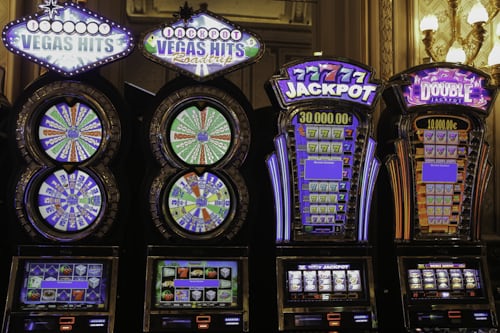
The casino environment itself exacerbates these cognitive biases, which are often built into the very fabric of the gaming experience. With complimentary drinks, enticing promotions, and strategically placed signage, casinos create an atmosphere that reinforces these misconceptions. This conditioning encourages players to stay longer and wager more, often leading to choices driven by emotion rather than rationality. By examining how these biases manifest, we can gain insight into the struggles many face in managing their gambling habits.
The Impact of Emotions on Gambling
Emotions are central to the gambling experience, significantly influencing players’ decisions and overall enjoyment. For many, engaging in gambling offers an emotional escape, allowing individuals to momentarily forget their problems and immerse themselves in the thrill of the game. The highs of winning can lead to euphoric feelings, making the allure of potential earnings particularly compelling. However, this emotional landscape is precarious, as the excitement can quickly turn into regret or disappointment after substantial losses, creating a complex cycle of highs and lows.
The psychological relationship between winning and losing further complicates emotions tied to gambling. Winning can generate feelings of exhilaration and validation, prompting players to increase their bets in hopes of extending their streak. Conversely, significant losses can trigger negative emotional responses such as anger, frustration, or despair. This emotional rollercoaster keeps players engaged, with each win reinforcing their belief in their methods, while losses become part of the risk they willingly accept in pursuit of excitement.
Additionally, the emotional responses elicited by gambling experiences can influence future behavior. Players who have experienced a string of losses may become desensitized, continuing to gamble with the hope of recouping their losses. This risky mindset can overshadow emotional regulation and lead to destructive financial decisions. Understanding these emotional dynamics is crucial for gamblers aiming to navigate their experiences more effectively, as it can empower them to make more informed choices in the heat of the moment.
The Role of Environment in Gambling Behavior
The physical design and ambiance of a casino are meticulously engineered to enhance the gambling experience and steer player behavior. From the arrangement of gaming tables to the positioning of slot machines, every aspect is strategically planned to encourage prolonged play. Notably, many casinos lack windows and clocks, creating a disorienting environment that detaches players from the outside world and allows them to lose track of time, which often leads to extended periods of gambling.
Furthermore, the sensory elements present in casinos significantly contribute to their effectiveness as gambling venues. The sounds of coins clinking, the flashing lights, and the carefully curated ambient music create an exhilarating atmosphere that heightens excitement and engagement. This sensory overload is designed to stimulate players’ senses, drawing them deeper into the gambling experience. By controlling the environment, casinos tap into psychological triggers that enhance the desire to gamble and encourage longer play sessions.
Peer behavior within the casino also plays a crucial role in influencing individual actions. Observing others’ wins can create a social proof effect, where players feel compelled to mimic the successful behaviors of those around them. This social dynamic can lead to impulsive decision-making and encourage risk-taking that an individual might otherwise avoid. Recognizing how environmental factors shape behavior is vital for understanding the powerful impact of the casino setting on the gambling experience.
Your Resource for Gambling Insights
For those interested in the intricate world of gambling psychology, our website provides a wealth of information and insights. We delve into the various facets of gambling behaviors, exploring the underlying psychological factors that drive individuals to casinos. Our goal is to equip readers with the knowledge they need to make informed decisions about their gambling activities, emphasizing the importance of understanding the psychological elements at play.
We cover a broad spectrum of topics, from the allure of casinos to cognitive biases and emotional responses. Our articles are designed to engage readers, featuring expert opinions, case studies, and practical tips for responsible gambling. Whether you are a casual player or someone looking to deepen your understanding of gambling psychology, our content aims to enhance your experience and awareness of this fascinating subject.
Additionally, we advocate for responsible gambling practices by offering tools and resources for self-assessment and support. By fostering a comprehensive understanding of the psychological aspects of gambling, we hope to empower our readers to navigate their experiences more safely and minimize the risks associated with gambling. Join us as we explore the dynamic interplay between psychology and gambling, providing valuable insights for players today.